PROENGIN · ARCHIVE
How First Responders Can Stay Safe During Chemical Suicide Intervention
Chemical Suicide Response: Tips and Best Practices for Safe Interventions
As chemical suicide cases increase , emergency responders must adapt their strategies to ensure safe and efficient intervention. This requires a combination of awareness, technology, and procedural updates to minimize risks. Discover our past content to recognize chemicals suicides warnings signs .
Detection & Monitoring – What to detect?
Among the growing list of chemical methods, two gases have become increasingly prevalent in suicide-related incidents:
Focus on Phosphine & Hydrogen sulfide as those methods have become widely used.
Colorless, flammable, and smelling of garlic or fish, PH₃ is released when metal phosphides (e.g., rodenticides) come into contact with water or stomach acid.
Common detection methods: colorimetric tubes, PID, e-cells, flame spectrophotometry (AP4C)
Danger: PH₃ is heavier than air and can cause cross-sensitivity and damage to sensors.
Produced when acids mix with sulfide-containing products (e.g., pesticides, paints), H₂S is a flammable gas with a rotten egg smell.
Odor fatigue above 50 ppm; undetectable by smell at 100 ppm
Danger: Causes rapid unconsciousness and is immediately dangerous to life and health (IDLH) above 100 ppm.
Other methods are also used widely in chemical suicide:
Created by combining cyanide salts and acid sources, HCN is used both by ingestion and inhalation.
Highly toxic—affects cellular respiration and is lethal at low concentrations.
Generated from formic acid reactions or vehicle exhaust, CO is odorless and binds hemoglobin more efficiently than oxygen.
Not detectable by AP4C, but commonly monitored with electrochemical sensors.
Warning: CO is often undetected until severe symptoms appear.
Be alert to smells, containers, and sealed vehicles.
PH₃ and H₂S stay low to the ground —monitor accordingly.
Odor is not a reliable indicator —use real-time detection!
Detection in the Field: Complementary Approach
No single technology is sufficient. Due to sensor limitations and cross-sensitivity, a ²dual-technology approach is essential.
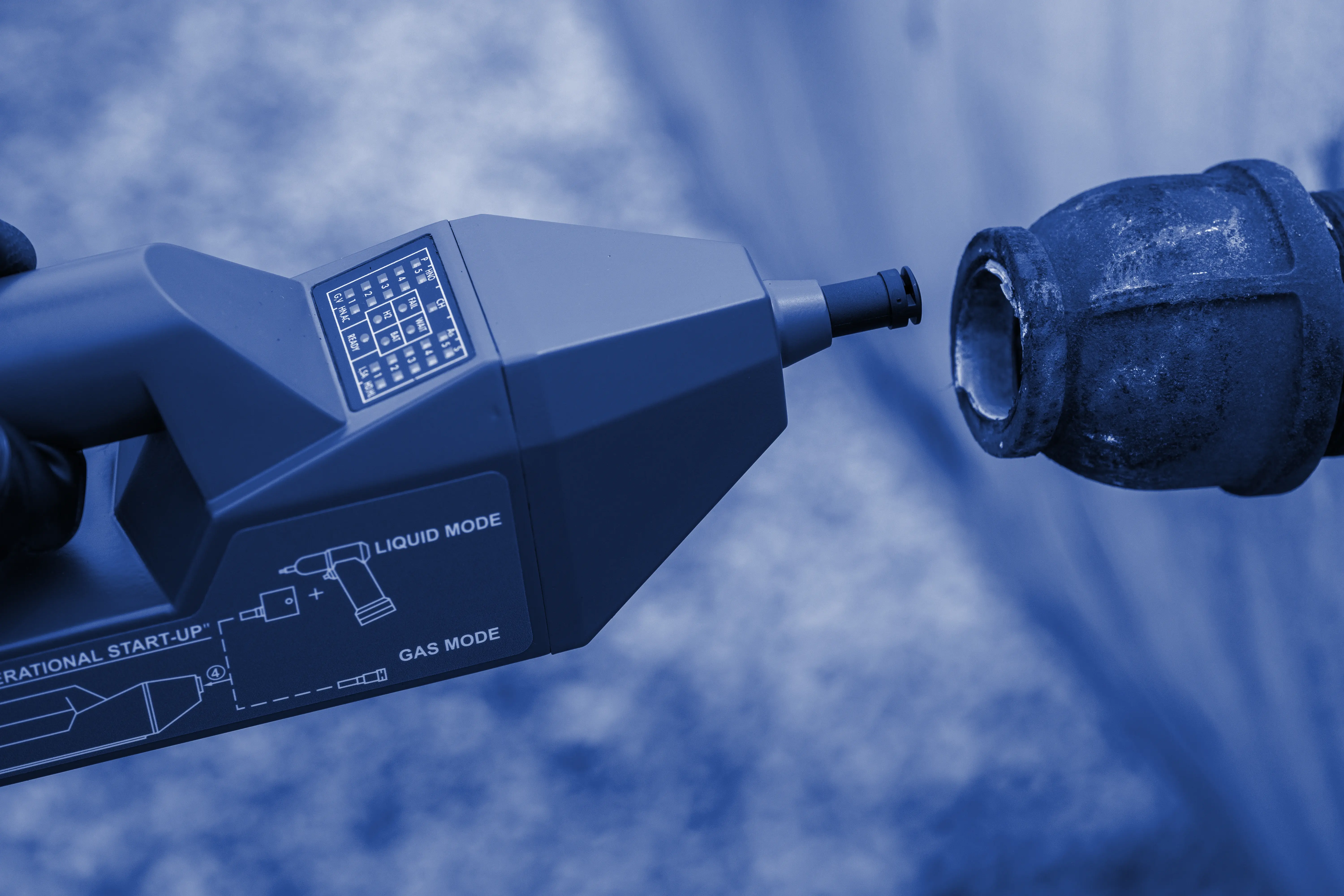
The AP4C , with its simultaneous multi-threat detection and resistance to poisoning, is an essential tool in first responder kits.
Responding to Chemical Suicide Incidents: 12 Key Steps
Here's an overview of a field-proven procedure for responding to H₂S and PH₃ events, simplified for first responders:
Want to explore detector performance by technology type?
Looking to understand how the AP4C supports chemical suicide response?
Watch our webinar for an expert-led walkthrough of how AP4C technology is deployed during chemical suicide interventions.
In pictures