
Applications
À chaque mission, une solution.
Des solutions de détection pour les forces, les secours et les infrastructures.
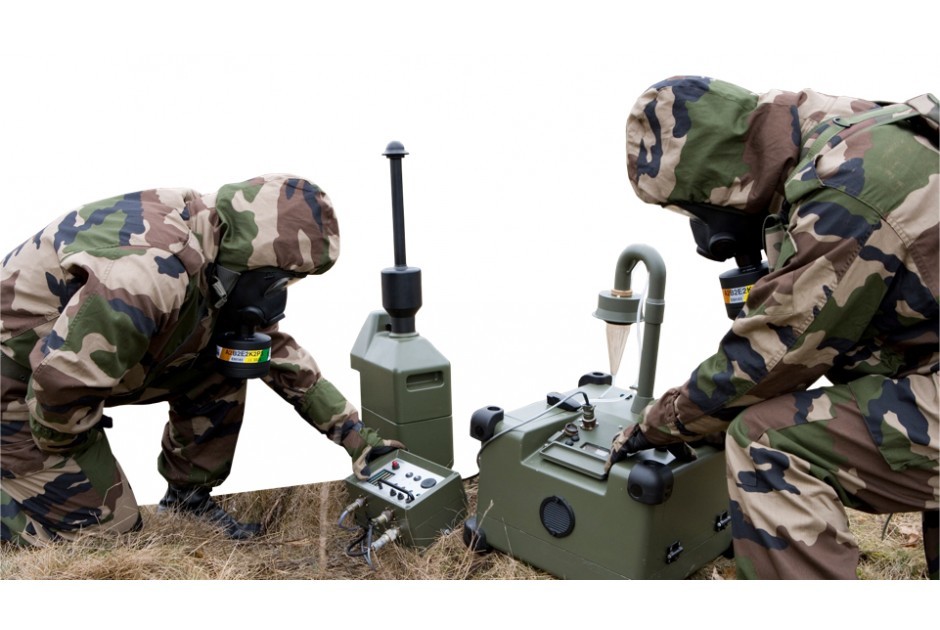
Forces armées & unités NRBC
Détection portable et intégrée pour la reconnaissance, la protection des forces et la surveillance des menaces chimiques et biologiques.
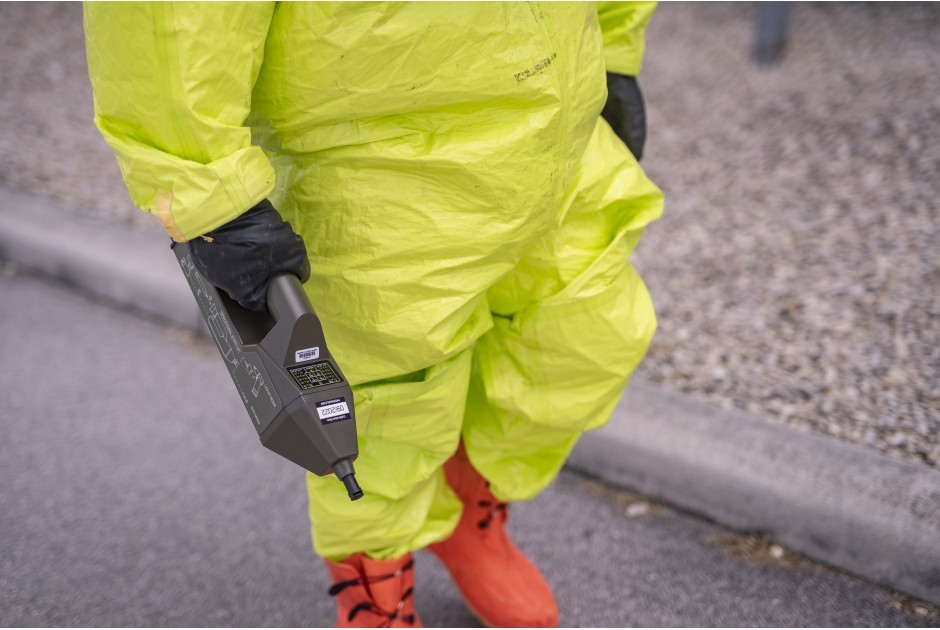
Primo-intervenants & équipes spécialisées
Des équipements portables et des solutions de prélèvement pour les pompiers, la police, les douanes et les équipes HazMat.
Véhicules & plateformes robotisées
Surveillance chimique ou combinée, à l’arrêt et en mouvement, avec des interfaces permettant l’intégration aux systèmes embarqués.
Infrastructures critiques
Systèmes fixes ou déployables pour la surveillance des sites stratégiques et des zones sensibles.
En images
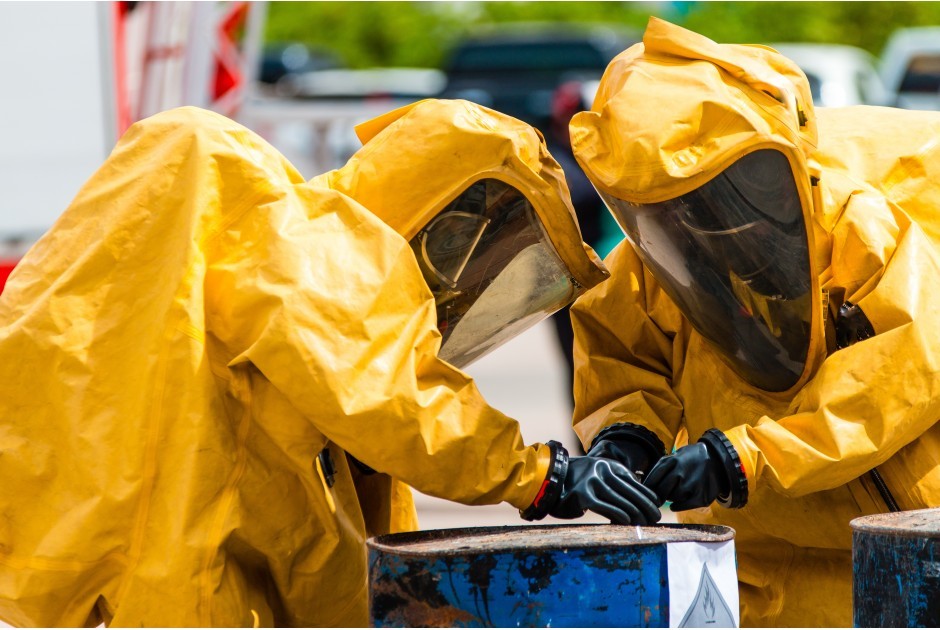
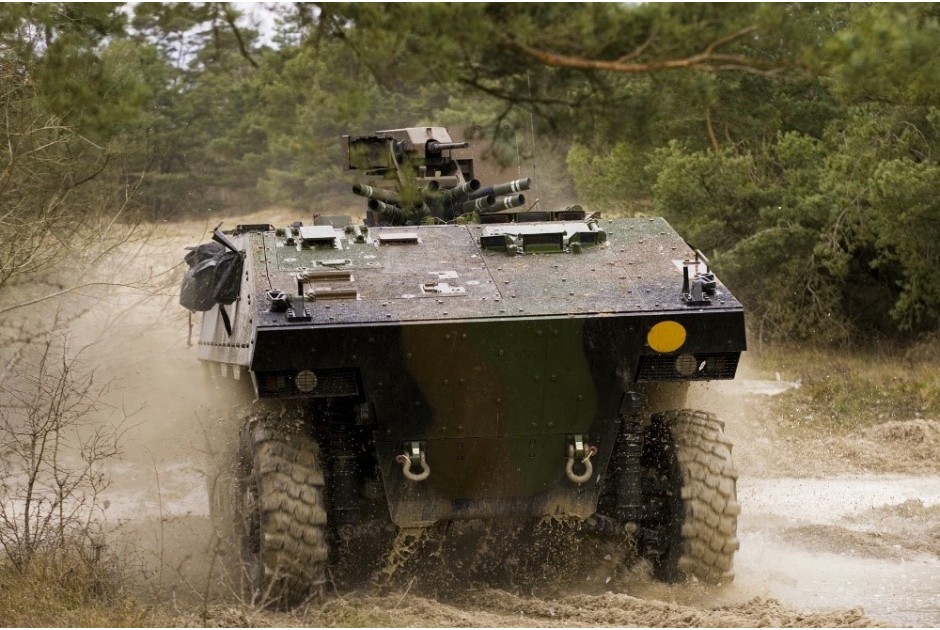
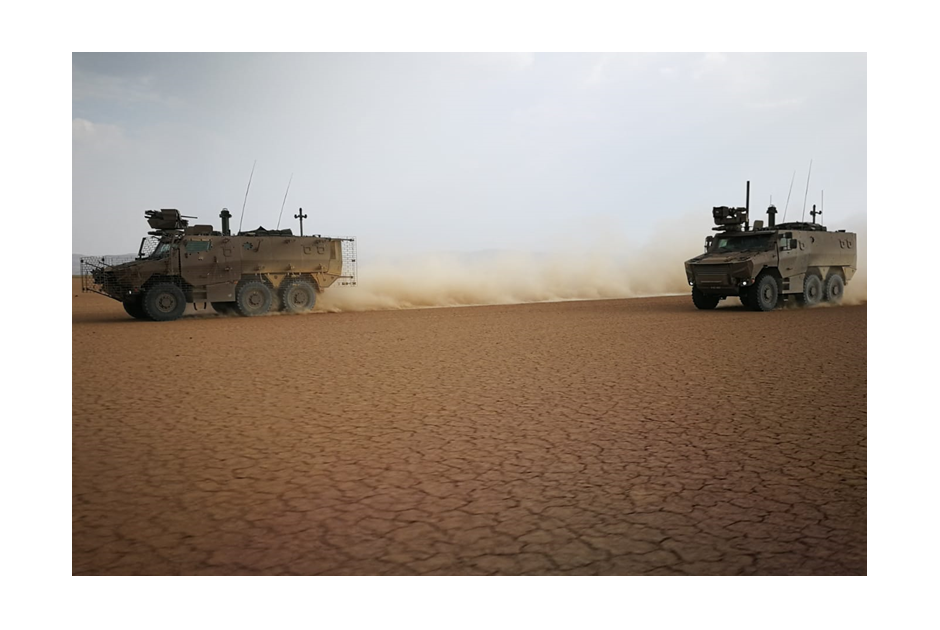
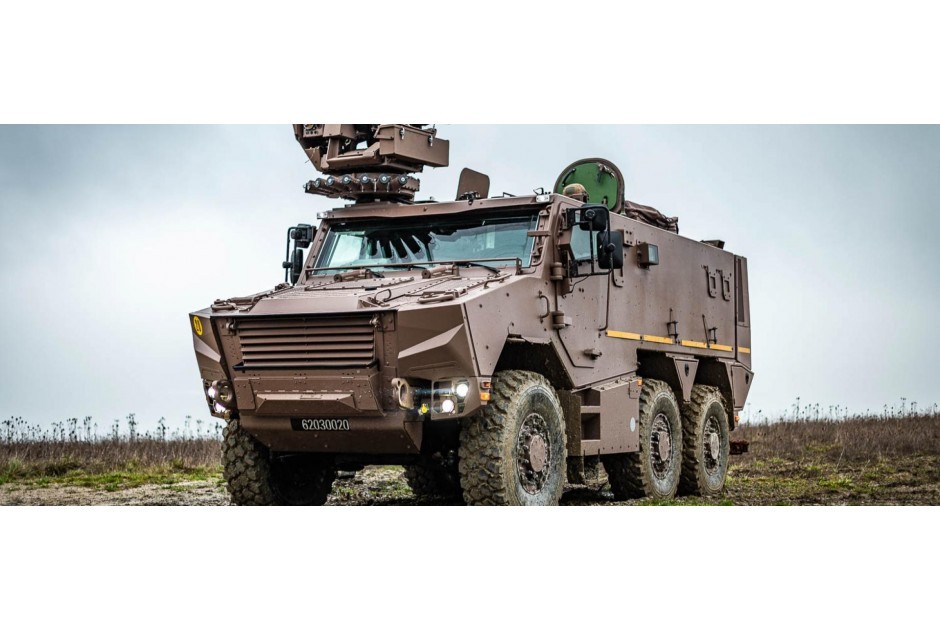

Présentation détaillée
Contenu technique original en anglais. Les fiches PDF françaises restent accessibles dans la rubrique documentation.
AP4C technology works with gasses, aerosols, liquids, and solids. Biological and chemical threats are detectable with our technology. Chemical and biological weapons have recently been used in a number of ways: through the use of legacy chemical warfare agents by rogue nations, via the actions of terrorist or other criminal groups, or used in highly organized attacks against individuals. New forms of chemical agents (Novichok, Fentanyl, binary agents etc.) have also been employed by various actors. In this challenging environment, the Proengin AP4C technology represents a critical asset for first responders and military forces. A variety of AP4C detector types exist for use throughout the entire scope of the CBRN/military response, from early warning and persistent detection, to hot zone set up and triage, through to final decontamination and validation.
These solutions are used for alert, detection, monitoring, and decontamination purposes during a chemical and/or biological event.
With more than 30 years of experience in the field of chemical and biological detection, PROENGIN detectors have been purposely designed to be used in severe environmental conditions (temperature, humidity, dust, etc.) and meet the most demanding requirements encountered in a military field environment.
Thanks to our unique technology, AP4C detectors come with critical features for the security of armed forces:
- • Easy to use with minimal training
- • Quick start up and sampling rates as fast as every 2 seconds. This allows the detector to go from storage to use within seconds and provides important information especially in a dynamic environment when the detector is being moved around.
- • Simultaneous detection of several families of chemical agents, biological entities, opioids, or toxic industrial materials
- • AP4C flame spectroscopy technology provides the proven results of spectroscopy with proven reliability even at low concentrations
- • Wide range of detection (CWA / TICs / PBA)
- • Continuous data recording (detection log)
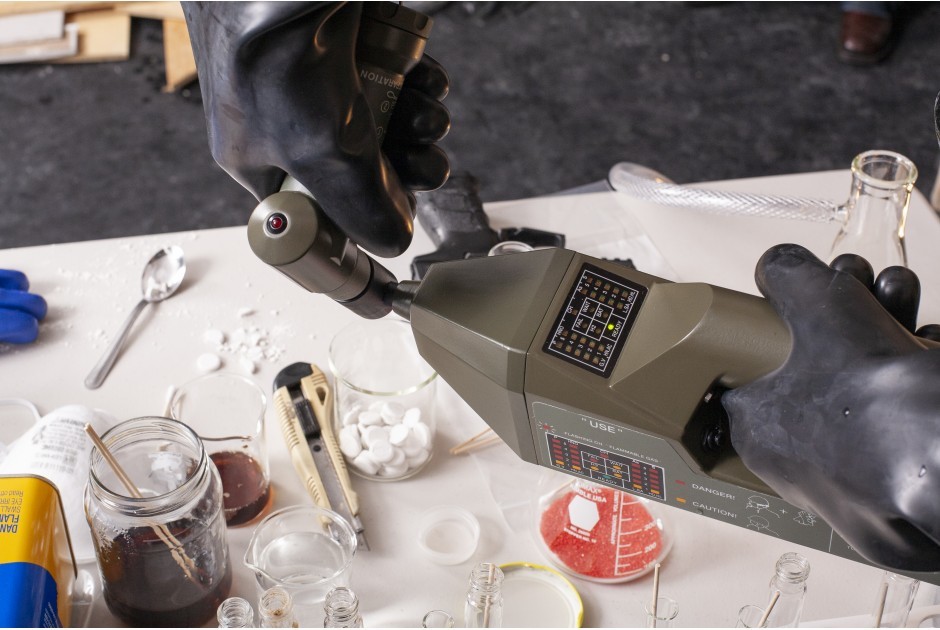
Furthermore, the S4PE device is extremely useful on the decontamination line to sample unknown substances and validate proper decontamination. With this accessory, the AP4C can switch back and forth between the gas and liquid detection mode.
Proengin detectors are fully networkable via optional wireless (radio / Wi-Fi / Bluetooth) and Global Positioning System (GPS) features. This networking feature is added via a plug and play approach replacing the existing battery tray. As such, this capability can be easily added or taken away based upon the operational requirements and is also backwards compatible so it can be added to existing legacy AP4C detectors. This communication system can be used in two different ways. In the monitoring mode, the detection status and alarms can be checked remotely. This is ideal for perimeter protection or monitoring, as several detectors can be deployed around a perimeter to continuously monitor and transmit geo-referenced data to the base station. The two-way communication feature also allows for organized training sessions thanks to the simulated mode, which allows the user to trigger specific alerts on individual detectors.
Finally, Proengin provides maintenance services, technical support and training throughout the world.
Proengin detectors are designed to meet the needs of firefighters, police, customs, HAZMAT teams and emergency services who are faced with a constantly changing, multiple threat environment. This environment includes the ability to respond to multiple different types of scenarios including chemical spills, industrial accidents, suspicious packages, drug laboratories, to purposeful criminal/terrorist acts. It is important to have reliable detector technologies in order to help assess and respond quickly and efficiently to any and all potential threats faced.
It also has the ability to detect new 4th generation agents (including the Novichok family of agents), binary agents (such as Hydrogen Cyanide, Hydrogen Sulfide, and Phosphine), and Pharmaceutical based agents (including Opioids, Neuroleptic Anesthetics like ketamine, and Phenobarbitols like atropine and Scopolamine). AP4C technology has many more applications than just these materials and can detect many toxic industrial chemicals such as ammonia, organophosphates, arsine, and mercaptan based materials along with multiple types of acids, fertilizers, and pesticides. A variety of AP4C detector types exist for use throughout the entire scope of a HAZMAT response, from early warning and persistent detection, to hot zone set up and triage, through to final decontamination and validation.
Proengin solutions are deployed and used by first responders and/or armed forces (dedicated CBRN units and regular troops) in more than 70 countries. These solutions are used for alert, detection, monitoring, and decontamination purposes during a chemical and/or biological event. Proengin detectors are designed to operate in harsh military environments, so they are robust, shock resistant, weather proof, and can withstand extreme temperatures range both during use and storage.
- • Easy to use with minimal training
- • Quick start up and sampling rates as fast as every 2 seconds. This allows the detector to go from storage to use within seconds and provides important information especially in a dynamic environment when the detector is being moved around.
- • Simultaneous detection of several families of chemical agents, biological entities, opioids, or toxic industrial materials
- • AP4C flame spectroscopy technology provides the proven results of spectroscopy with proven reliability even at low concentrations
- • Wide range of detection (CWA / TICs / PBA)
- • Continuous data recording (detection log)
Furthermore, the S4PE is extremely useful on the decontamination line to sample unknown substances and validate proper decontamination. With these accessories, the AP4C can switch back and forth between the gas and liquid detection mode.
Proengin detectors are fully networkable via optional wireless (radio / Wi-Fi / Bluetooth) and Global Positioning System (GPS) features. This networking feature is added via a plug and play approach replacing the existing battery tray. As such, this capability can be easily added or taken away based upon the operational requirements and is also backwards compatible so it can be added to existing legacy AP4C detectors. This communication system can be used in two different ways. In the monitoring mode, the detection status and alarms can be checked remotely. This is ideal for perimeter protection or monitoring, as several detectors can be deployed around a perimeter to continuously monitor and transmit geo-referenced data to the base station. The two-way communication feature also allows for organized training sessions thanks to the simulated mode, which allows the user to trigger specific alerts on individual detectors.
Finally, Proengin provides maintenance services, technical support and training throughout the world.
Proengin offers a full range of chemical, biological, or combined chem-bio detection systems for military vehicles and civilian platforms.
Proengin vehicle solutions are designed for seamless installation outside a vehicle, boat or mobile platform. The system is robust so it is designed to sit out in the elements allowing for key information to be provided to the crew members inside. Our systems do not require additional protection such as a dedicated enclosure and filtration system.
- • A significant reduction in installation costs
- • Better safety for on-board personnel
- • Faster, cheaper and easier maintenance operation
Moreover, Proengin offers several mounting architectures, with standard bracket or customs made designs to fit any type of vehicles such as CBRN specific vehicles, reconnaissance vehicles, Armored Personnel Carriers (APC), or a variety of locations on boats.
The Proengin control system is designed to work with existing vehicle management systems if needed through a standard interface protocol. Proengin has standard off-the-shelf solutions which can be installed individually by customers or we can provide turnkey solutions, including installation and integration.
Our vehicle detector systems include the AP4C-V (chemical) and AP4C-VB (chemical and biological) and AP4C MAB (biological) systems. These systems are specially designed to withstand extreme environmental conditions including extreme temperature, high humidity level, dust, etc.
The AP4C-V and AP4C-VB can be used for any number of different mission profiles and in many different climates. We also will be there for you not only with selection and installation but with full logistical support. Routine maintenance, service, repairs, technical support, and training are provided worldwide through an extensive network of local partners.
High humidity levels are often challenging for many detection technologies. One advantage of flame spectroscopy is that it is able to work in environments where the humidity level changes or is very high. Our detectors provide updates as fast as every two seconds, which of critical importance when the boat is moving and in a dynamic environment.
Monitoring of conditions in a marine environment is important whether is a military naval ship on a mission, a firefighting boat on an emergency call, or involved with interdiction/monitoring of suspicious activity. In all of these applications, it is important to understand the exterior environment and any potential threat that it represents, to provide command leadership with important information needed to make the best decisions, and ultimately to protect the crew from potentially harmful environments.
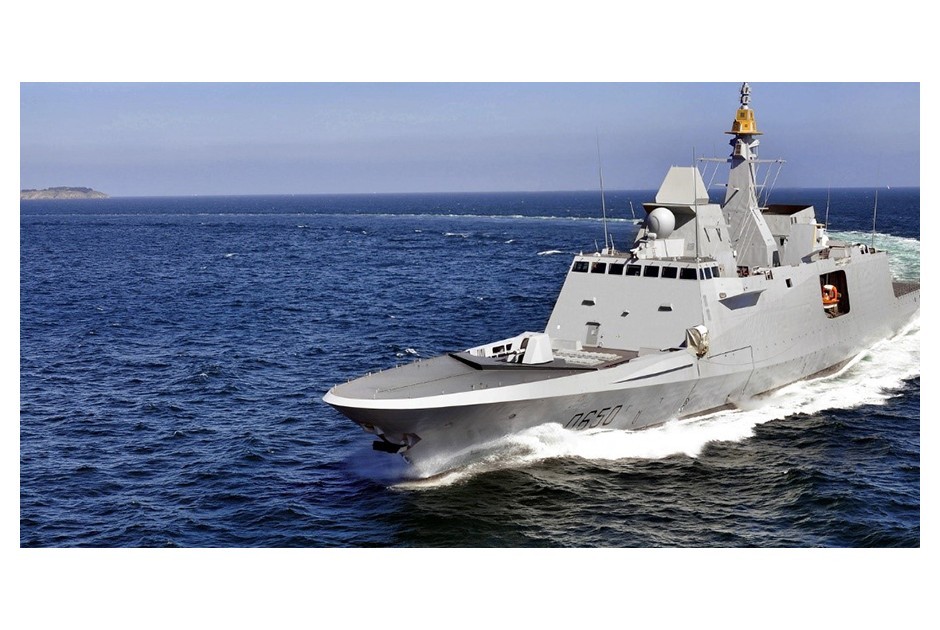
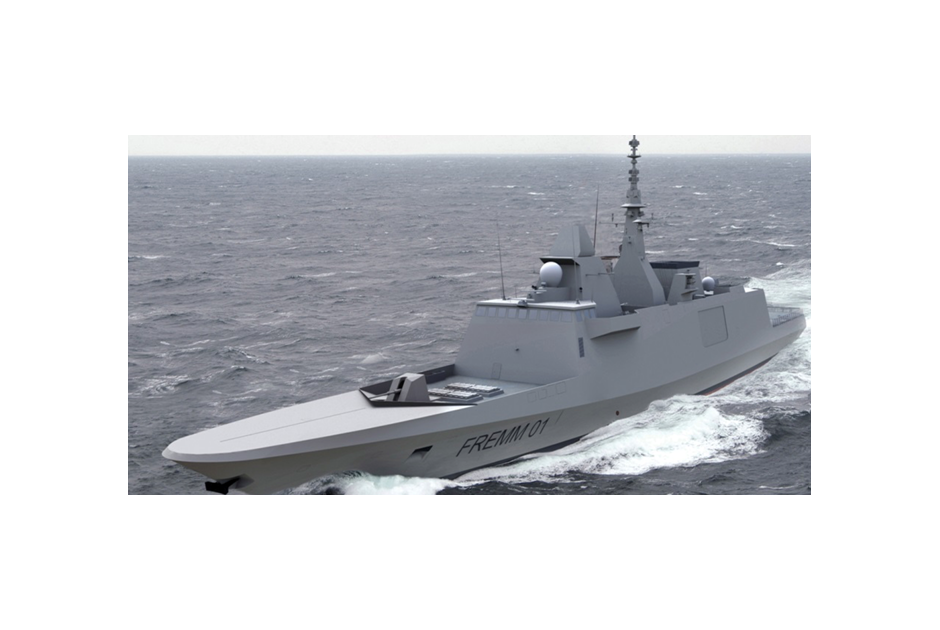
In this context, the French Government Defense procurement and technology agency (DGA) has certified the AP4C-P detector for naval operations. Belonging to the AP4C family, this next generation detector can detect chemical warfare agents and toxic industrial materials at the highest level of sensitivity.
Moreover, the combined chemical-biological version of the AP4C-P is able to extend the range of detection to biological agents such as toxins, bacteria and viruses. Successor of the ADLIF detector, this new system is designed to be mounted on defense and intervention frigates programs and has also been deployed on of first responder vessels around the world.
These applications include patrol vessels and firefighting boats, some of which require 24/7 persistent operations and others that just require on demand monitoring and quick startup times. If you have a certain application, please contact us so that we can recommend the proper detector for the need and application.
Coupled with the visualization and control module, the Proengin solutions can easily be integrated to the onboard combat system of the ship via an open communication protocol.
They can also be installed just about anywhere on a ship and allow complete, easy and permanent monitoring of chemical and / or biological detection.
Critical infrastructure represents an attractive target for those intending to harm, due to the significance of the location or the presence of a large amount of people in a location at one time.
In the case of a ventilation system, monitoring is important so that actions can be taken as to not allow the agent to disperse throughout the facility through the ventilation system. This includes stopping the ventilation system and closing the air flow or diverting the air flow towards a filtration system capable of protecting against the threat. In the case of monitoring of key locations, the approach is to place a detector in key entry point(s) or strategic location(s) throughout. The locations are chosen to capture information as quickly as possible and to provide information in order to identify or eliminate the source and to provide quick evacuation or moving of people and equipment from the threat areas.
In both cases, it is essential to be able to sense, categorize and trigger an alarm as soon as a harmful threat is identified. In these cases, it is important to understand the sample rate, accuracy, and sensitivity levels of the detector being utilized. Sample rate is the measure of how many samples a detector can take in during a unit of time as well as how much time it takes a detector to provide information to the user after a sample is taken. Accuracy refers to proper identification of the material. It is important to understand if the detector is providing false negative or false positive information. Sensitivity level refers to the level at which the detector can start to detect or be triggered. It is important to understand the sample rate, accuracy and sensitivity level in your selection of detector technology and type. This information is also important when selecting the locations for detection equipment. It is important to match the need with the proper detector system.
AP4C technology is well suited for continual, accurate and precise monitoring of key infrastructure. Proengin AP4C-F (chemical) and AP4C-FB (chemical and biological) detectors are designed for applications where 24/7 persistent monitoring is desired. These systems only require one liter of water per month and power. Additionally, Proengin has radiological systems that can be added to our detector systems in order to provide a fully integrated package capable of monitoring radiological, nuclear, chemical, and biological threats in a single system. Proengin sensors can also be networked remotely to protect large sites or infrastructure where multiple nodes or critical points exist. Our detectors utilize an open architecture approach and can also be easily integrated into existing building management or security systems or used as stand-alone systems using our Visualization and Control Modules.